When I was a kid, I enjoyed rearranging my bedroom furniture. There wasn’t much to move around really, but repositioning my bed, bookshelf, dresser, and desk was like a ritualistic marker for new seasons in my life.
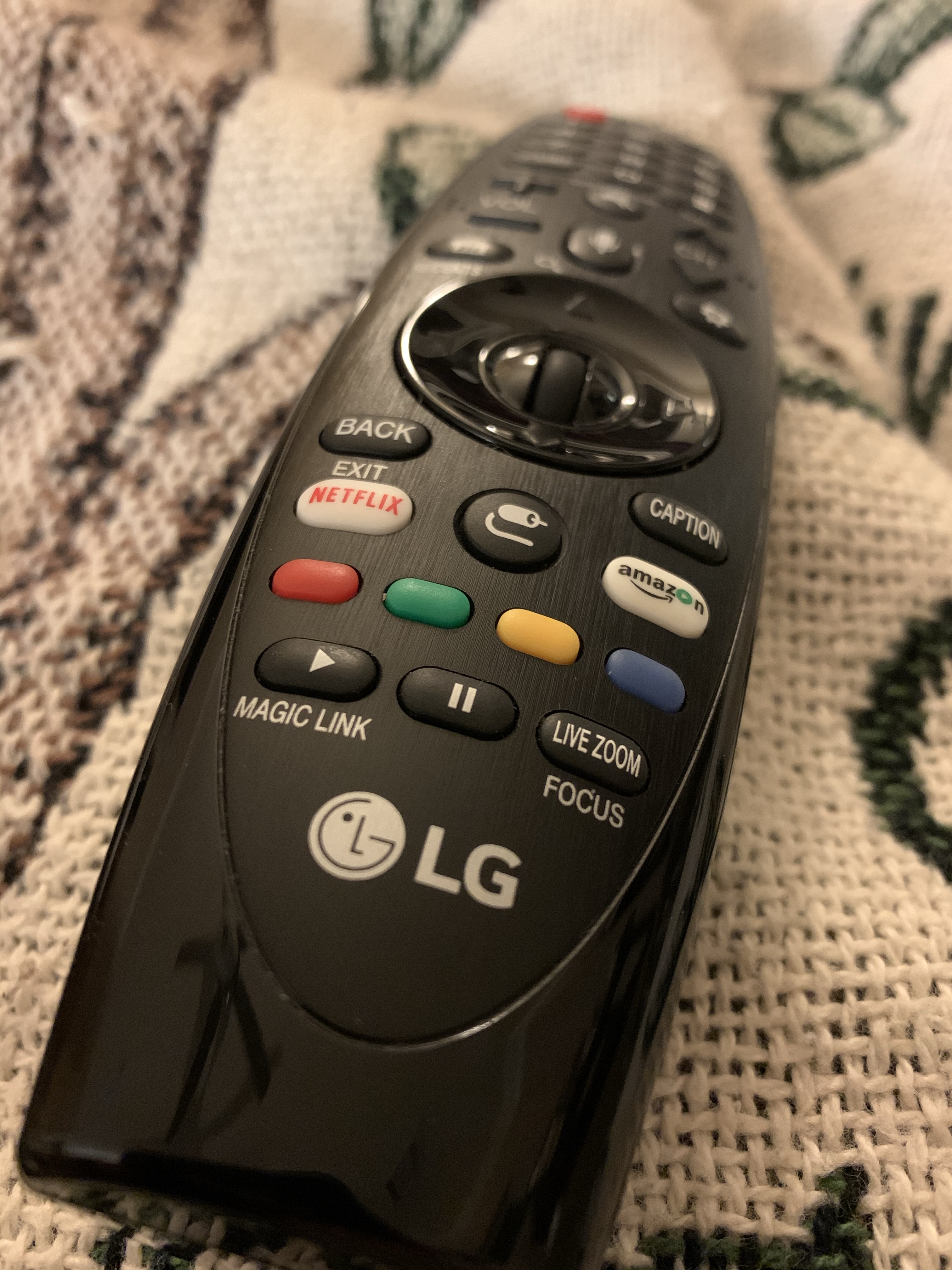
As an adult, I find that I only seem to change the configuration of my things when I move house, which has thankfully been a rather rare occurrence in recent years. This past weekend, the new stereo speakers my husband has been talking about getting for years finally made an appearance. As a result, we had to switch the living room around a bit. Nothing drastic, but the new location of the television and sleeker profile of its attendant electronics looks odd to me. It’s an improvement both in terms of the quality of the equipment and the space the set takes up, but it’s different. It just doesn’t feel normal yet.
Different isn’t bad necessarily, but it is change, and even desired changes and planned changes require acceptance and adoption. As I have been learning over the course of this year, I am better at making changes than I’ve previously thought.
Interestingly, making the change isn’t what gets me. It’s the institutionalization. It’s making change permanent, or as permanent as anything can be.
Perhaps that’s why I like change rituals, like moving furniture. It takes something that is largely abstract and creates a tangible manifestation. It opens up the mind as much as it opens up the room.
From history major, with side quests in Medieval Studies and chemical engineering, to nonprofit finance leader, Big 4 tax partner, technologist, researcher, and now co-founder of Divine, nothing about my career has been linear. The throughline has always been systems: financial systems, organizational systems, technological systems, and human systems. I have an MBA in Operations and Supply Chain Management and a PhD in Organizational Leadership Psychology, and I’ve spent my career trying to understand how complex systems shape people’s choices, opportunities, wellbeing, and sense of belonging. Today, my work sits at the intersection of psychology, technology, human-centered design, and digital trust. I am co-founder of Divine, an open-source, decentralized social video app built to put creativity back in human hands and replace doomscrolling with joyscrolling. Divine is part of a bigger question I care deeply about: how do we create online spaces that support safety, creativity, identity, and belonging without defaulting to surveillance, extraction, or control? At Divine, I wear a lot of hats across engineering, finance, operations, and strategy, while helping shape the app’s trust, safety, and values work. I focus especially on teen online safety, human-generated content, participatory design, and healthier relationships with technology. I am a postdoctoral alum of Vanderbilt University’s Department of Computer Science, where I worked with Dr. Pam Wisniewski’s Socio-Technical Interaction Research Lab. I continue to write, speak, and research at the intersection of online safety, digital trust, decentralized technology, and youth wellbeing. I was named a Distinguished Fellow at the Institute for Data Integrity in 2023. In 2025, I had the honor of serving as President of Division 13 of the American Psychological Association, the Society of Consulting Psychology. I also live with major depressive disorder and obsessive-compulsive disorder. In 2020, I took a leave from PwC to focus on my mental wellness, and I now speak and write openly about mental health, especially in the workplace and in relation to digital wellbeing. This blog, Seriously Jerk Brain, chronicles much of that journey.
View all posts by liz